Scenario planning, in short
Scenario planning helps businesses prepare for uncertainty without pretending they can predict the future. It improves decision-making by exploring several plausible futures and thinking through how the business should respond.
What this article covers
In this article, I will explain what scenario planning really is, why it matters in modern business, how to do it in a practical way, and how to avoid common mistakes. I will also share examples, a simple original framework, and a decision-making lens that makes scenario planning more useful in real business life.
Disclosure: If you click on my affiliate/advertiser’s links, I am going to receive a tiny commission. AND… Most of the time, you will receive an offer of some kind. It’ s a Win/Win!
Uncertainty is not the problem. Unprepared thinking is.
Most businesses do not struggle because the future is uncertain. They struggle because they plan as if uncertainty were a small inconvenience rather than a normal part of business life.
I have seen businesses build plans around one preferred future, then act surprised when customers behave differently, costs shift, markets wobble, or outside events change the rules of the game.
That is why scenario planning matters so much.
To me, scenario planning is not about trying to predict the future perfectly. It is about thinking more intelligently before the future arrives. It helps you test assumptions, recognise signals earlier, and make stronger decisions when the environment becomes less stable.
Better decisions come from understanding behaviour, signals, environment, and consequences.
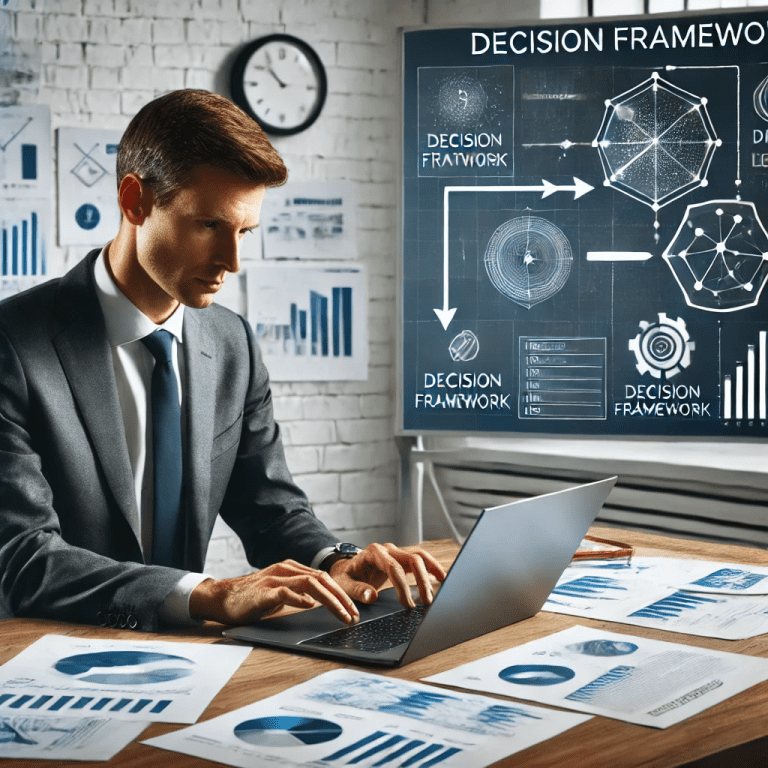
This connects naturally to how I approach decisions using the KrisLai Decision Framework™.
In this guide, I want to make scenario planning practical, strategic, and genuinely useful — not just theoretical. Because if a business can think more clearly under uncertainty, it already has an advantage.
As the Finnish saying goes, “Varautuminen ei ole pelkoa vaan viisautta.” – Preparation is not fear. It is wisdom.
Key Ideas
- Scenario planning is not prediction. It is preparation.
- A strong strategy should work across more than one possible future.
- Many businesses fail because they plan around hope rather than plausible alternatives.
- Scenario planning becomes more useful when it connects behaviour, signals, environment, and consequences.
- The goal is not certainty. The goal is better decisions under uncertainty.
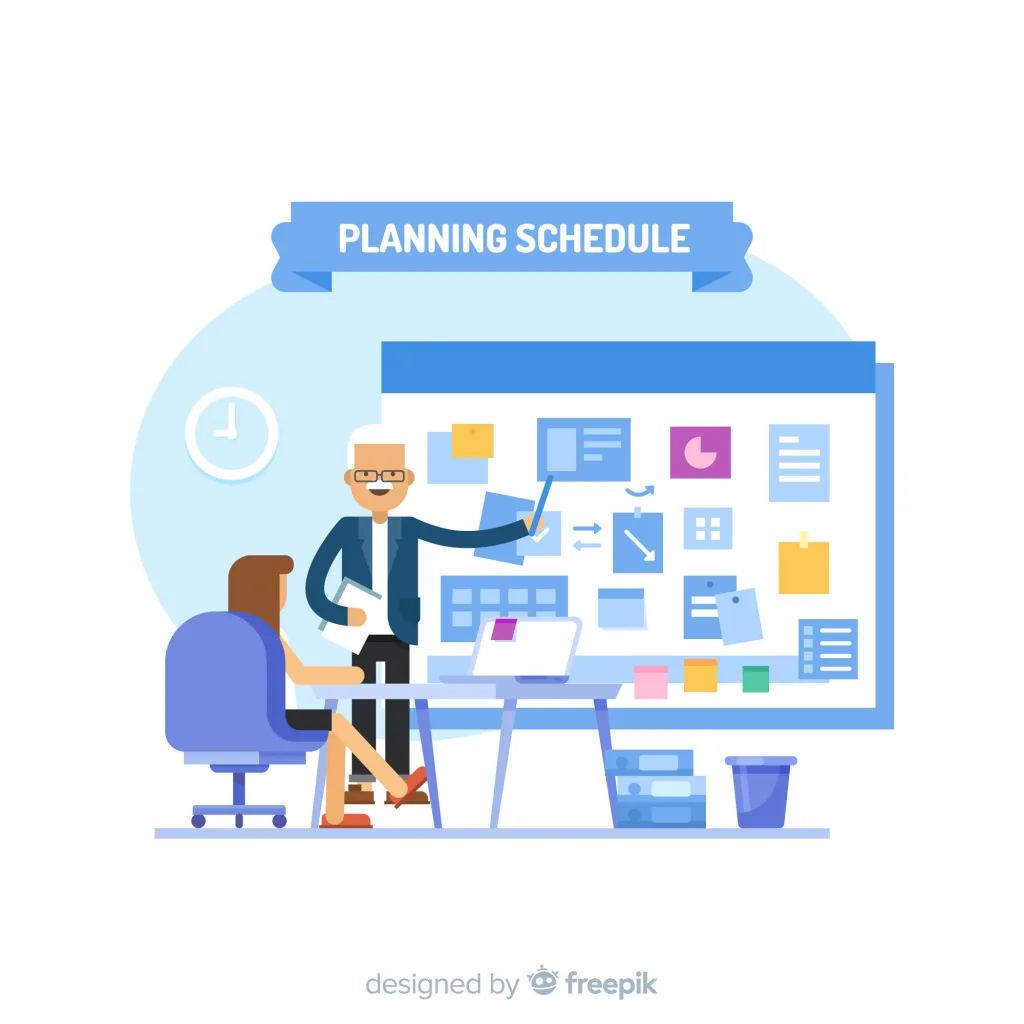
Image by Freepik
What is scenario planning?
Scenario planning is the process of exploring several plausible future situations and thinking through what they could mean for your business. It helps you prepare for change without assuming there is only one likely future.
The KrisLai Scenario Lens™
When I assess uncertainty, I look at four things:
- Behaviour – how people are likely to respond
- Signals – what early signs suggest change is coming
- Environment – the outside conditions shaping the decision
- Consequences – the likely short- and long-term outcomes
Better decisions come from understanding behaviour, signals, environment, and consequences.

The Benefits of Scenario Planning in Business and Beyond
Scenario planning is a strategic foresight tool that has proven to be highly beneficial for businesses and organizations across various industries. By engaging in scenario planning, companies can effectively manage risks, gain a competitive advantage, and enhance their long-term planning capabilities.
One of the key benefits of scenario planning is its ability to help businesses identify potential risks and uncertainties in their operating environment. By considering multiple future scenarios, organizations can anticipate different outcomes and develop strategies to mitigate potential threats. This proactive approach to risk management enables companies to be better prepared for unexpected events and make informed decisions.
Furthermore, scenario planning allows businesses to gain a competitive advantage by exploring alternative futures and identifying potential opportunities. By analysing different scenarios, organizations can uncover new market trends, customer preferences, or technological advancements that may impact their industry. This insight enables them to adapt their business strategies accordingly and stay ahead of the competition.
Long-term planning is another area where scenario planning proves valuable. Traditional strategic plans often focus on a single forecasted future, which may not accurately reflect the complex dynamics of today’s rapidly changing business landscape. Scenario analysis helps businesses consider multiple plausible futures, enabling them to develop flexible strategies that can adapt as circumstances evolve.
Adaptive business planning is an essential aspect of scenario planning. As organizations face ever-increasing uncertainty and volatility in the global marketplace, they need agile approaches that allow them to respond quickly to changing conditions. Scenario planning encourages adaptive thinking by challenging assumptions and encouraging creative problem-solving.
In conclusion, scenario planning offers numerous benefits for businesses seeking effective risk management practices, competitive advantage, long-term strategic insights, and adaptive business planning capabilities. By embracing this approach, companies can navigate uncertainties with confidence while positioning themselves for success in a very much unpredictable world.

Photo by Kindel Media
A practical model for better business decisions in complex environments. It focuses on four essential elements:
- Human Behaviour — how people actually think and decide
- Signals — what people are trying to do right now
- Environment — whether the system supports good decisions
- Consequences — what happens next, and after that
Strong decisions consider all four — not just one.
Why Scenario Planning Often Fails
Scenario planning is a useful tool, but it can still be done badly.
I have seen a few common failure patterns:
1. It becomes too abstract
Some scenario planning sounds clever but stays too vague to guide any real decision.
2. It turns into prediction theatre
People start treating one scenario as “the right one” and stop thinking in alternatives.
3. It ignores behaviour
The scenario may describe market changes, but not how customers, employees, or competitors are likely to respond.
4. It is not linked to action
A scenario is only useful if it changes what the business watches, prepares for, or decides.
5. It is done once and forgotten
Scenario planning should not sit untouched in a slide deck. It should be revisited as signals change.
In Swedish, there is a saying: “Ingen plan överlever verkligheten oförändrad.” – No plan survives reality unchanged.
That is not a reason to stop planning. It is a reason to plan more intelligently.
Why scenario planning often fails
Scenario planning becomes weak when it stays too abstract, treats one scenario as the “correct” future, ignores human behaviour, lacks decision triggers, or is done once and then forgotten.
Practical Examples of Scenario Planning in Business
Scenario planning becomes much easier to understand when it is tied to real situations.
Example 1: A retailer facing weaker consumer spending
A retailer may build three scenarios:
- spending stays stable
- spending softens gradually
- spending drops sharply
Instead of waiting passively, the business can decide in advance what each situation would mean for stock levels, promotions, pricing, and staffing.
Example 2: A service business facing AI disruption
A service business may ask:
- what if AI tools increase client expectations?
- what if some routine work becomes automated?
- what if buyers become more price-sensitive?
This could shape decisions on positioning, pricing, skills, and service design before disruption becomes urgent.
Example 3: A manufacturer facing supply chain instability
A manufacturer may prepare scenarios around raw material costs, delays, or supplier concentration. That can influence inventory planning, contract strategy, and sourcing decisions.
Example 4: A founder planning growth
A founder may prepare for:
- slower-than-expected demand
- stronger-than-expected demand
- stable demand but rising costs
This can help them think more carefully about hiring, cash use, and timing.
One Insight I Keep Coming Back To
Many businesses use scenario planning to think about events.
I think the stronger use is to think about decisions.
In other words, the point is not simply to ask, “What if this happens?”
The deeper question is, “If this happens, what decision becomes more urgent, more dangerous, or more valuable?”
That shift matters.
Because scenario planning becomes far more useful when it is tied to decisions rather than interesting possibilities.
How To Do Scenario Planning in a Practical Way
Step 1: Choose the decision or area you are planning for
Do not start too wide. Focus on a real area of uncertainty, such as pricing, growth, staffing, supply, customer demand, or market positioning.
Step 2: Identify the biggest uncertainties
Ask which outside factors could seriously affect the business. These may include economic shifts, regulation, technology, customer behaviour, competition, or operating costs.
Step 3: Build a small number of plausible scenarios
You do not need ten. Three or four well-thought-through scenarios are usually enough.
Step 4: Explore what each scenario would mean
What would happen to revenue, demand, operations, confidence, margins, customer expectations, or risk?
Step 5: Look for decision triggers
Ask what signals would tell you one scenario is becoming more likely.
Step 6: Decide how you would respond
What would you do sooner, later, more carefully, or not at all?
Step 7: Review and update regularly
Scenario planning is most useful when it stays connected to changing reality.

Related reading on KrisLai.com
If you want to go deeper into the thinking behind scenario planning, these articles connect naturally:
- Related article: Business Strategy Planning
- Glossary or definition article: Business Acumen Skills
- Pillar topic: Business Thinking Hub
You may also find these useful:
Real-Life Examples of Successful Scenario Planning in Action
Real-life examples of successful scenario planning in action provide valuable insights into how businesses have effectively utilized this strategic tool. By examining business case studies and scenario planning success stories, we can gain a deeper understanding of the benefits and applications of this approach.
One industry that has seen notable success with scenario planning is the finance industry. Financial institutions often face complex and unpredictable market conditions, making scenario planning an essential tool for strategic decision-making. For instance, during the global financial crisis of 2008, banks that had implemented robust scenario planning were better equipped to navigate the turbulent economic landscape.
In one such example, a major investment bank used scenario planning to anticipate potential market disruptions and identify opportunities for growth. By considering various scenarios such as economic downturns or regulatory changes, they were able to develop contingency plans and adapt their strategies accordingly. This proactive approach helped them mitigate risks and maintain a competitive edge in an ever-changing financial world.
Another industry-specific example comes from the energy sector. With increasing concerns about climate change and shifting consumer preferences towards renewable energy sources, companies in this field have embraced scenario planning to navigate future uncertainties. By exploring different scenarios such as policy changes or advancements in technology, energy companies can strategically position themselves for long-term success.
One notable example in the energy sector is Royal Dutch Shell, which utilized scenario planning in the 1970s. They anticipated the oil crisis and adjusted their strategies accordingly, positioning themselves to weather the storm better than competitors.
A final example of utilising scenario planning successfully is IBM in the early 1990s. Facing challenges in the rapidly changing tech landscape, IBM employed scenario planning to navigate potential shifts. This proactive approach allowed them to transform and remain a key player in the industry.
These real-life examples highlight how businesses across industries have leveraged scenario planning to make informed decisions amidst uncertainty. Whether it’s anticipating market disruptions or adapting to changing consumer demands, scenario planning provides a framework for strategic thinking and enables organizations to stay ahead of the curve.
By studying these success stories and understanding how different industries have applied scenario planning techniques, businesses can gain valuable insights into its practical applications and tailor it to their specific needs.
A practical example
Imagine a retailer relying on steady consumer spending. Scenario planning could help them prepare for stable demand, softer spending, or a sharp downturn. That would affect stock decisions, promotions, hiring, and cash planning before pressure becomes urgent.

The Role of Technology in Enhancing Scenario Planning Efforts
In today’s rapidly changing world of business, scenario planning has become an essential tool for organizations to navigate uncertainty and make informed decisions. With the advancements in technology, particularly in the field of data analytics and predictive modelling, scenario planning efforts have been greatly enhanced.
Scenario planning software tools have emerged as valuable assets for organizations looking to conduct comprehensive scenario analysis. These tools enable businesses to create multiple scenarios based on different variables and assumptions, allowing them to explore various potential outcomes and their implications. By leveraging these software tools, organizations can simulate different scenarios and assess the impact of each one on their business strategies.
Data analytics plays a crucial role in enhancing scenario planning efforts by providing valuable insights into historical trends, market dynamics, customer behaviour, and other relevant factors. By analysing large volumes of data, organizations can identify patterns and trends that can inform their scenario planning exercises. This data-driven approach enables businesses to make more accurate predictions about future possibilities and better understand the potential risks and opportunities associated with each scenario.
Predictive modelling further enhances scenario planning by using statistical techniques to forecast future outcomes based on historical data. By building models that capture complex relationships between variables, organizations can simulate different scenarios and predict how they might unfold under various conditions. This allows decision-makers to evaluate the likelihood of specific outcomes occurring and develop strategies accordingly.
In summary, technology has revolutionized scenario planning efforts by providing powerful software tools for creating multiple scenarios, leveraging data analytics for deeper insights into market dynamics, and utilizing predictive modelling techniques for accurate forecasting. By embracing these technological advancements, organizations can enhance their strategic decision-making processes and effectively navigate uncertainties in today’s dynamic business environment.

Scenario Decision Checkpoint
- What would tell us this scenario is becoming more likely?
- What decision would become more urgent?
- What should we do sooner, later, or differently?
- What risk are we trying to reduce?
- What opportunity might this scenario create?
The Limitations and Challenges of Scenario Planning
Scenario planning is a valuable tool for organizations to anticipate and prepare for future uncertainties. However, it is important to acknowledge the limitations and challenges that come with this approach. By understanding these factors, businesses can make more informed decisions and mitigate potential risks.
One of the primary limitations of scenario planning lies in cognitive biases. These biases can influence the way scenarios are developed, leading to an incomplete or skewed understanding of possible outcomes. It is crucial for planners to be aware of their own biases and actively seek diverse perspectives to ensure a comprehensive analysis.
Data limitations also pose a challenge in scenario planning. The availability and quality of data can vary, making it difficult to accurately predict future trends or events. Incomplete or outdated data may lead to flawed assumptions and unreliable scenarios. Planners must carefully assess the reliability of their data sources and consider alternative sources when necessary.
Another challenge is the tendency for over-reliance on assumptions in scenario planning. While assumptions are necessary for constructing scenarios, excessive reliance on them can lead to unrealistic or overly optimistic projections. Planners should continuously question and validate their assumptions through rigorous analysis and feedback loops.
Implementing scenario planning within an organization can also present challenges. It requires effective communication, collaboration, and coordination among various stakeholders who may have different perspectives or priorities. Additionally, integrating scenario planning into existing decision-making processes may require changes in organizational culture and mindset.

Final takeaway
Scenario planning is not about predicting the future with certainty. It is about helping your business think more clearly, respond more calmly, and make better decisions when the future does not behave as expected.
Final Thought: Scenario Planning Is a Way to Think Better Before Pressure Arrives
Scenario planning does not remove uncertainty.
What it does is make uncertainty easier to live with.
That is because it helps you prepare your thinking before stress, speed, or surprise begin to narrow it.
A business that has thought through several plausible futures is often calmer, faster, and wiser when change comes.
That is why I see scenario planning as more than a risk exercise.
It is a discipline of better judgement.
And in modern business, that may be one of the most valuable advantages of all.
As the Chinese saying goes, “未雨绸缪.” – Repair the roof before it rains.
That is the spirit of scenario planning at its best!
Frequently Asked Questions About Scenario Planning
What is scenario planning in business?
Scenario planning in business is the process of exploring several plausible future situations and preparing for how they might affect decisions, operations, and strategy.
Why is scenario planning important?
Scenario planning is important because it helps businesses prepare for uncertainty, test assumptions, spot risks earlier, and make better decisions when conditions change.
What is the difference between forecasting and scenario planning?
Forecasting usually focuses on one expected future. Scenario planning explores several plausible futures and prepares the business for different possibilities.
How many scenarios should a business create?
In many cases, three or four well-developed scenarios are enough. The aim is not quantity, but clarity and usefulness.
What are common mistakes in scenario planning?
Common mistakes include being too vague, ignoring behaviour, failing to define decision triggers, treating one scenario as certain, and never revisiting the exercise.
How does scenario planning improve business decisions?
It improves business decisions by helping leaders think through behaviour, signals, environment, and consequences before uncertainty turns into pressure.
If you enjoy exploring the ideas behind better business decisions, you may find the Business Thinking Hub useful.
About the author
Kris Lai is a business operator and managing director with experience in land and building surveying, facilities management, logistics, and service delivery. He writes about AI, search behaviour, business strategy, and decision-making from a practical, real-world perspective.
👉 Explore ideas connected to better business decisions:
- How AI Is Changing Search Behaviour (And What Businesses Must Do Now)
- Decision-Making Framework Examples: The KrisLai Method in Action
- The KrisLai Decision Framework: A Better Way to Make Business Decisions
- Micro vs Macro Marketing: When to Target Broad Audiences vs Niche Customers
- Customer Intent Marketing: How to Turn Buying Signals Into Sales