Emotional Intelligence in Leadership: How to Make Better Decisions Under Pressure
Learn how emotional intelligence in leadership helps leaders stay calm, read people, handle pressure, and make better decisions during conflict and uncertainty.

This section explores how behavioural economics and decision psychology influence business strategy, leadership, marketing, and customer behaviour.
In real organisations, people rarely make perfectly rational decisions. Instead, choices are shaped by cognitive biases, incentives, social influence, and emotional factors. Understanding these patterns helps leaders make better strategic decisions, design more effective marketing, and build organisations that respond intelligently to change.
Articles in this category examine topics such as behavioural economics in business, decision-making frameworks, customer psychology, and the practical insights that help leaders understand how people really make choices.
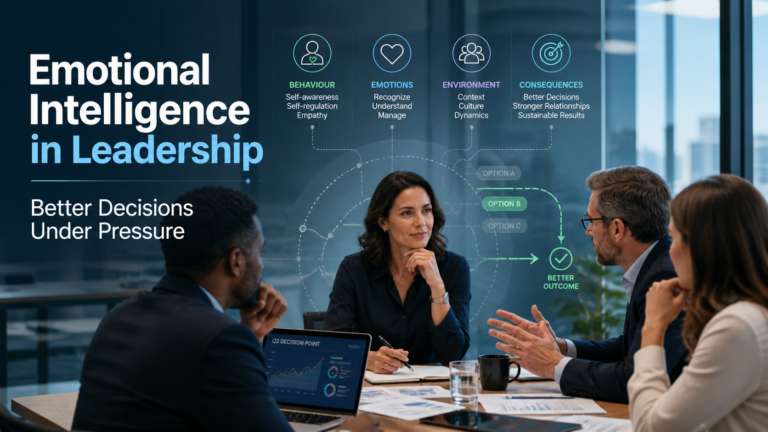
Learn how emotional intelligence in leadership helps leaders stay calm, read people, handle pressure, and make better decisions during conflict and uncertainty.
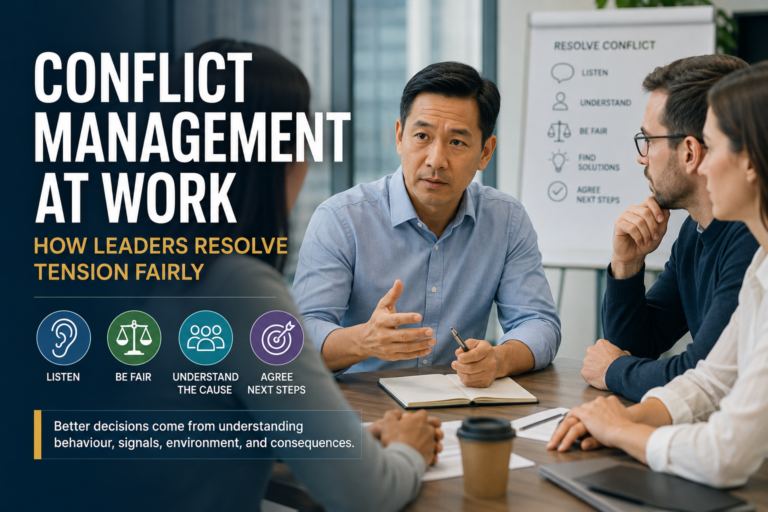
Conflict management at work helps leaders resolve tension early, protect trust, and improve performance. Learn practical steps to manage workplace conflict fairly.
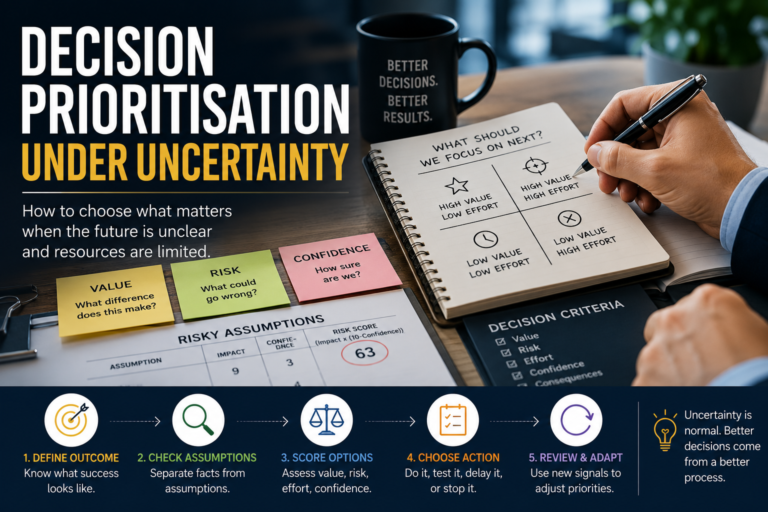
Learn how decision prioritisation helps you rank choices by value, risk, effort, confidence, and consequences when time is limited and the future is unclear.
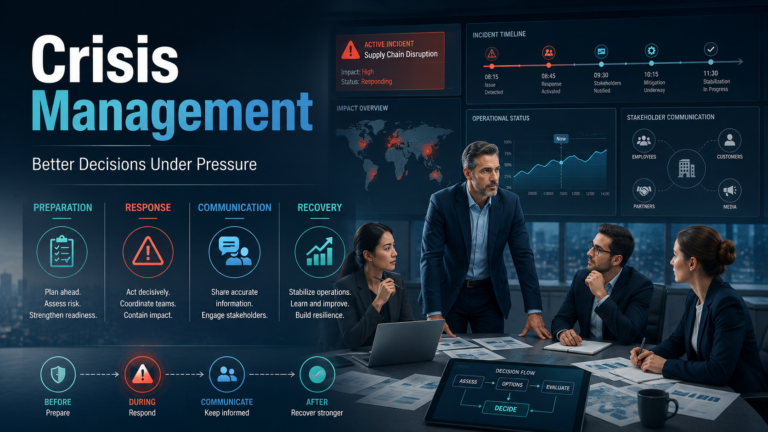
Crisis management is not only about having a plan. It is about making clear decisions when time is short, information is incomplete, and trust is at risk. Learn how leaders can prepare, respond, communicate, recover, and improve after a crisis.
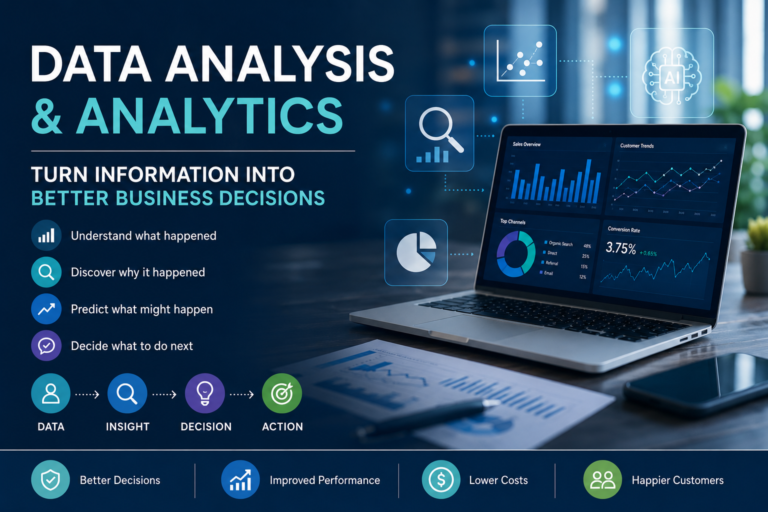
Data analysis and analytics help businesses turn raw information into clearer decisions. This guide explains the difference between analysis and analytics, the main types of data analysis, common mistakes, AI’s role, and how to use data to move from insight to action.

Learn how to improve negotiation skills in business with BATNA, ZOPA, real-world examples, pricing and scope trade-offs, emotional intelligence, and practical strategies for better outcomes.
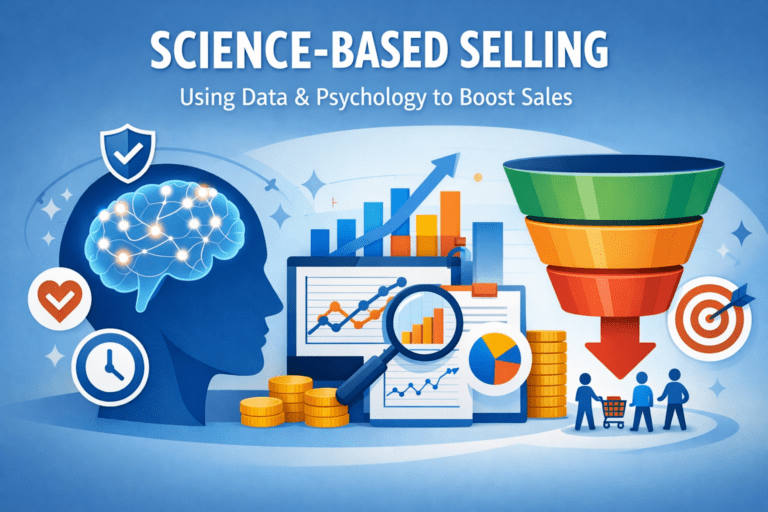
Learn how science-based selling uses data, psychology, and buyer behaviour to improve sales decisions, sharpen messaging, and turn evidence into better commercial results.
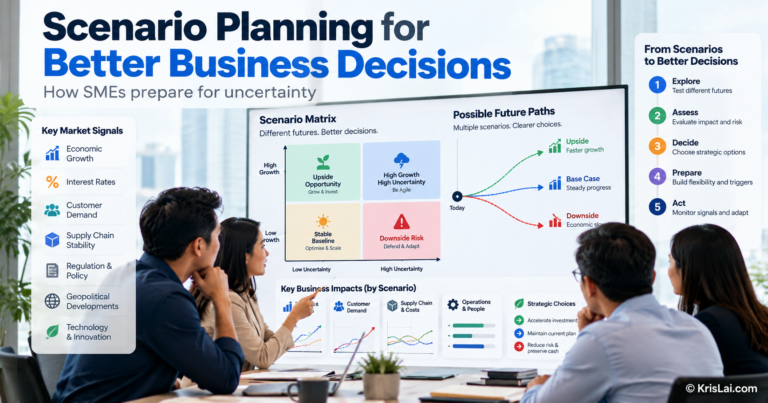
Scenario planning helps SMEs prepare for uncertainty without pretending to predict the future. This practical guide explains five clear steps, a 2×2 scenario matrix, real business examples, decision triggers, AI support, and how to turn possible futures into better business decisions.
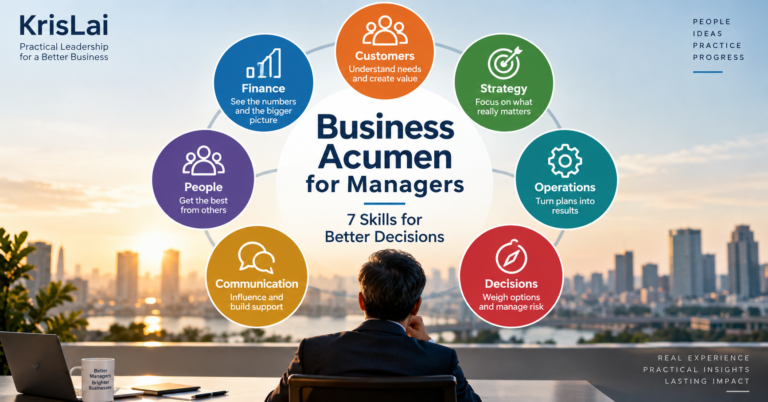
Business acumen helps managers understand how finance, customers, strategy, people and operations connect. Learn the seven skills that matter most, with practical examples, a self-assessment and a simple test for making better business decisions.