A marketing decision that looks simple can quietly shape the future of a business.
Imagine launching a new product and asking a straightforward question:
Should we try to reach everyone, or should we focus only on a very specific group of customers?
This decision sits at the heart of micro vs macro marketing.
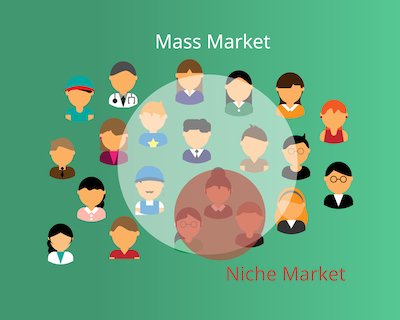
Some businesses cast a wide net. They want their message seen by millions. Others do the opposite. They speak directly to a small group of people who care deeply about a specific problem.
Neither approach is automatically right or wrong.
The real skill is knowing when to go broad and when to go narrow.
In this article we will explore:
- the difference between micro marketing vs macro marketing
- when each strategy works best
- real business examples
- practical tools and platforms that support each approach
Disclosure: If you click on my affiliate/advertiser’s links, I am going to receive a tiny commission. AND… Most of the time, you will receive an offer of some kind. It’ s a Win/Win!
And along the way we will see why many successful businesses actually combine both approaches rather than choosing only one.
What Is Micro vs Macro Marketing?
Micro marketing targets a small, specific audience with highly tailored messages.
Macro marketing targets large audiences with broad messaging designed to reach as many people as possible.
The key difference is scale. Micro marketing prioritises relevance and personalisation, while macro marketing focuses on reach and awareness.
Understanding micro vs macro marketing is closely connected to how businesses interpret customer intent signals, which I explored in another article on customer intent marketing.
What Micro and Macro Marketing Look Like in Real Life
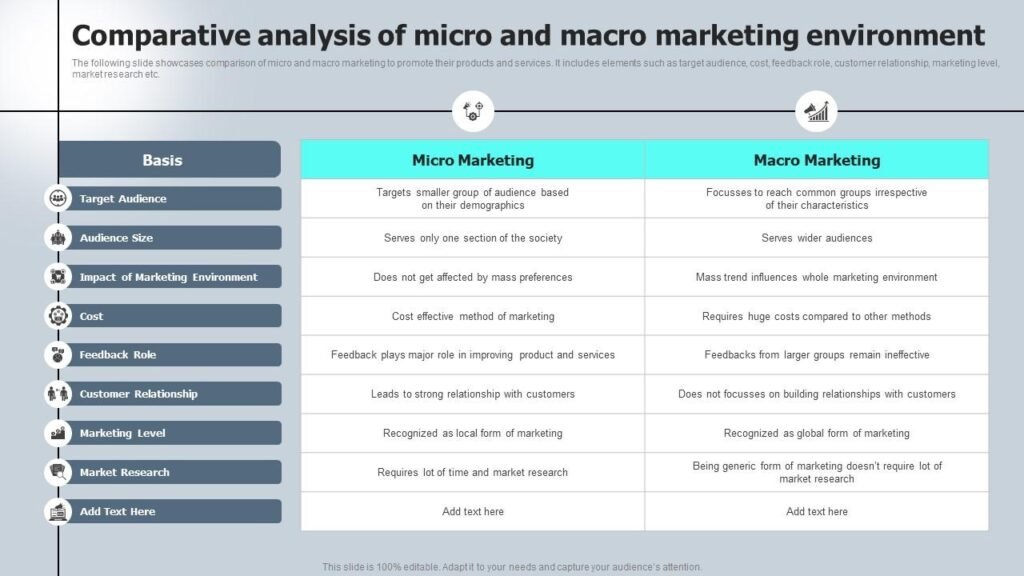
At its simplest, the difference comes down to audience size and message focus.
Micro marketing targets a small and carefully defined audience.
Macro marketing aims to reach a broad market with a universal message.
In other words:
Micro marketing is like speaking directly to someone across a table.
Macro marketing is like speaking to a crowd from a stage.
The difference matters because it changes almost everything about a campaign: the message, the channels, the budget, and the expected results.
Micro marketing focuses on specific groups or niches, while macro marketing aims to reach large audiences or entire markets.
A small local café might use micro marketing by targeting nearby office workers on social media. A global brand, on the other hand, might run a national television campaign that reaches millions.
Both strategies can succeed — but they succeed for different reasons.

Micro Marketing: Narrow Targeting with Personal Messages
Micro marketing focuses on a specific segment of customers rather than the general public.
This segment might be defined by:
- location
- profession
- lifestyle
- interests
- stage of life
- a particular problem they want solved
Micromarketing campaigns are usually tailored closely to the audience. They often use personal or local messaging designed to build stronger relationships and trust.
Typical micro marketing tactics include:
- segmented email campaigns
- niche community partnerships
- local SEO
- micro-influencer collaborations
- retargeting ads
- personalised landing pages
The main advantage is relevance. When the message fits the audience perfectly, engagement and conversion rates tend to rise.
The risk, however, is scale.
If the audience is too small, growth can stall.
This is why many micro businesses — which I discussed in another article on the site — often rely heavily on micro marketing at first. Small enterprises frequently grow by focusing on a specific niche where they can deliver exceptional value rather than trying to compete with large companies for mass attention.
Macro Marketing: Broad Reach That Builds Awareness Fast
Macro marketing takes the opposite approach.
Instead of focusing on a narrow segment, it aims to reach large groups of consumers with a simple and widely appealing message.
Examples include:
- television advertising
- large social media campaigns
- sponsorships and events
- national advertising
- large-scale PR campaigns
Macro marketing works best when:
- the product has broad appeal
- the message is easy to understand
- the goal is awareness or rapid growth
Major global brands often rely on macro marketing because they want their message seen by as many people as possible.
The advantage is reach.
The disadvantage is precision.
When a message tries to speak to everyone, it sometimes connects deeply with no one.
Micro vs Macro Marketing at a Glance
- Micro Marketing: highly targeted audiences
- Personalised messaging
- Higher engagement and loyalty
- Slower but more precise growth
- Macro Marketing: broad audience reach
- General messaging
- Rapid awareness and visibility
- Lower personal relevance
Most successful companies use a combination of both strategies.
Micro Marketing vs Macro Marketing: Key Differences Explained
| Factor | Micro Marketing | Macro Marketing |
|---|---|---|
| Audience Size | Small, highly specific segments | Large, broad audiences |
| Messaging Style | Highly personalised and relevant | General messaging for wide appeal |
| Marketing Channels | Email segmentation, niche influencers, local SEO, retargeting | TV, large social campaigns, PR, sponsorships |
| Main Goal | Relevance, trust, and conversion | Brand awareness and reach |
| Budget Efficiency | Lower budget but highly targeted | Higher spend with wider exposure |
| Customer Relationship | Stronger loyalty and engagement | Broader but less personal connection |
| Speed of Growth | Slower but more sustainable | Rapid awareness and scaling |
| Best For | Niche brands, specialists, local businesses | Mass-market brands and global products |
How to Decide When to Go Broad and When to Go Narrow
One of the most useful questions in marketing strategy is simply this:
What problem are we trying to solve right now?
The answer often reveals whether a business should lean toward micro or macro marketing.
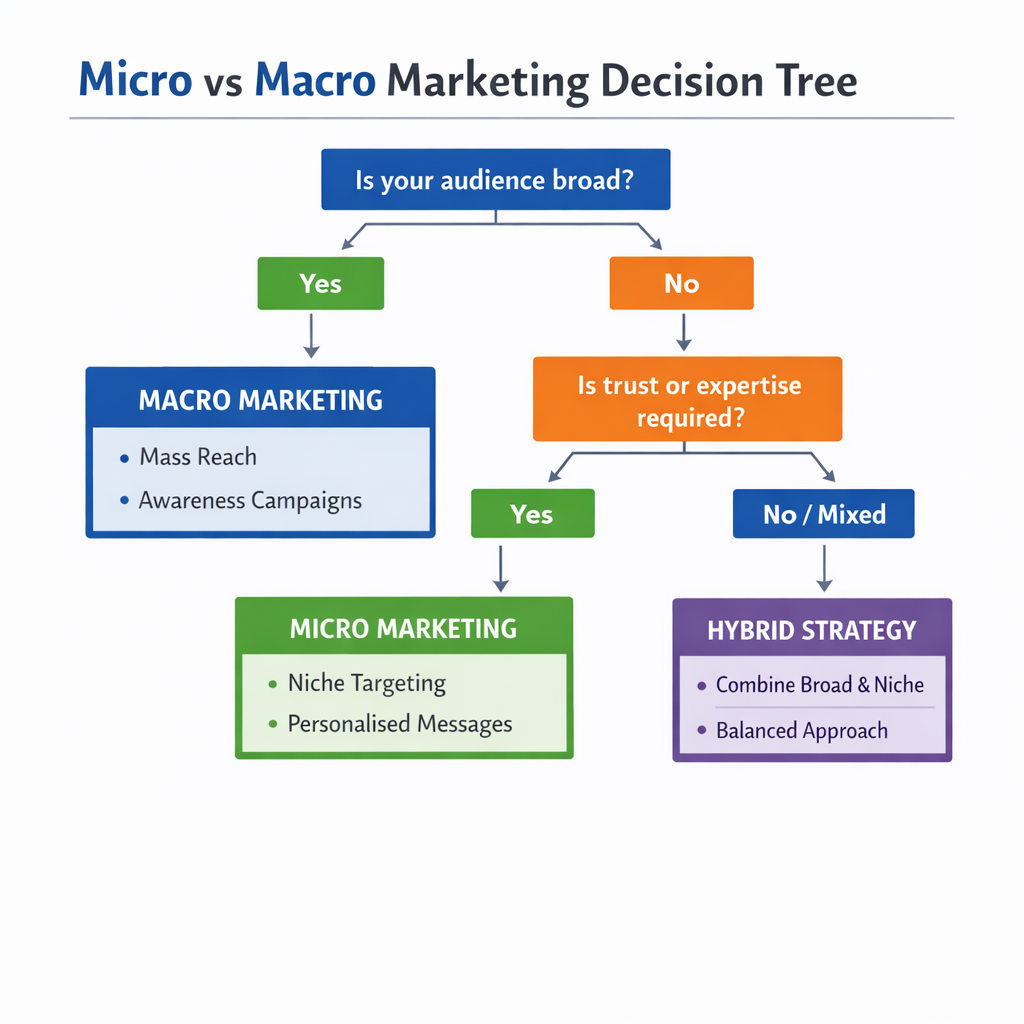
Go Broad When Your Goal Is Awareness or Scale
Macro marketing tends to work best when the goal is rapid visibility.
Typical situations include:
- launching a new consumer product
- entering a large market
- building brand recognition
- competing in high-volume industries
Businesses selling everyday products often rely on macro marketing because the potential customer base is extremely large.
For example, soft drinks, clothing brands, and streaming platforms all depend heavily on mass marketing campaigns to maintain visibility.
The key requirement is that the product must be simple to understand and relevant to many people.
Go Narrow When Trust or Expertise Drives the Sale
Micro marketing becomes powerful when buying decisions involve trust, expertise, or specialised needs.
Examples include:
- consulting services
- professional training
- luxury products
- niche software tools
- local services
When purchases are expensive or complex, customers want to feel that the product was designed specifically for them.
In those situations, highly targeted marketing often performs far better than broad campaigns.
A luxury brand such as Rolls‑Royce sells relatively few vehicles compared with mass-market car manufacturers, but it focuses intensely on a very specific audience of high-net-worth buyers. The marketing experience is personal and tailored rather than mass-produced.
The Hybrid Strategy Most Businesses Use
The truth is that the most effective marketing strategies rarely rely on just one approach.
Many companies use a hybrid model.
For example:
Macro marketing builds awareness
↓
Micro marketing converts interested customers
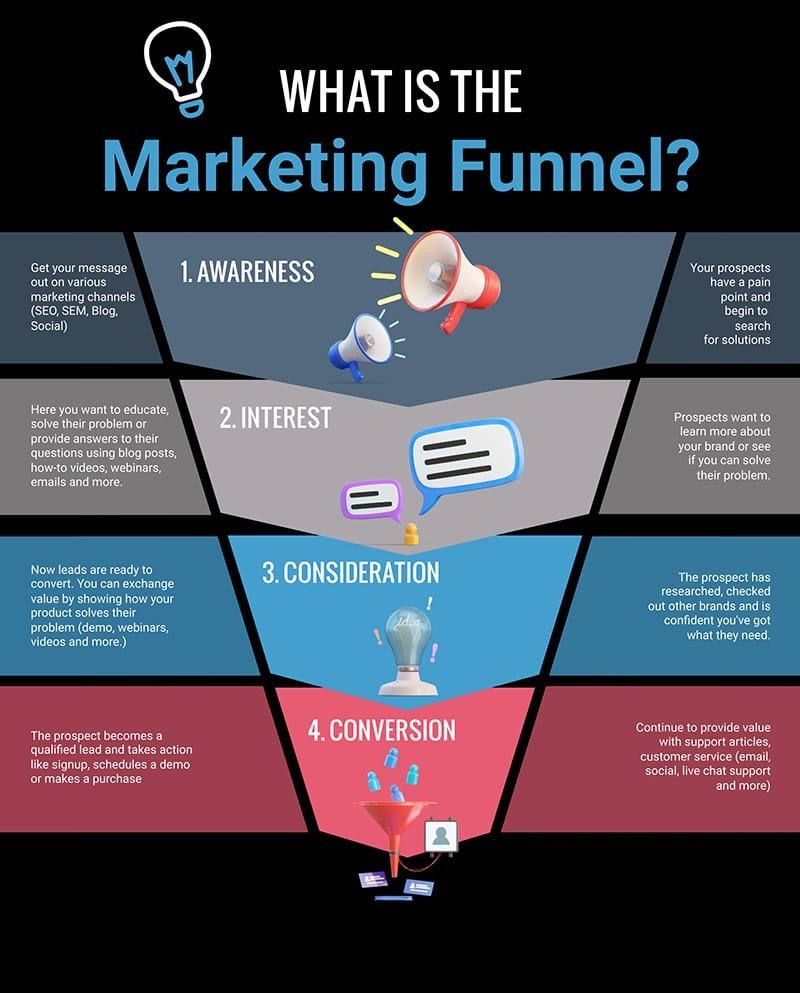
A typical digital funnel might look like this:
Top of funnel
YouTube ads or broad social media reach
Middle of funnel
Retargeting ads and educational content
Bottom of funnel
Personalised emails, offers, or demonstrations
The result is a system where broad marketing creates attention and targeted marketing converts that attention into customers.
A Simple Decision Framework
Use macro marketing when:
- Your product has broad appeal
- You want rapid brand awareness
- Your message is simple and easy to understand
- Your budget allows large campaigns
Use micro marketing when:
- Your audience has specific needs
- Trust and expertise matter
- Your budget is limited
- Your product solves a specialised problem
Tools and Platforms That Support Micro and Macro Marketing
Modern marketing platforms make it easier than ever to combine both strategies.
Email marketing tools allow businesses to segment audiences into small groups and send tailored messages.
Examples include:
Advertising platforms allow campaigns to start broad and then narrow down based on behaviour.
For example:
Analytics platforms help marketers measure results and refine strategy.
For example:
These tools allow businesses to see which audiences respond best and gradually refine targeting.
Real Business Lessons: What Worked and What Failed
Marketing history offers plenty of examples where companies succeeded — or failed — because of how they chose between micro and macro strategies.
When Micro Marketing Worked
Many successful niche brands began by focusing intensely on a specific community.
Small outdoor equipment companies, for example, often target passionate hikers and climbers before expanding into the broader market.
Because the marketing speaks directly to the audience’s identity and interests, engagement is extremely strong.
Micro influencer marketing follows a similar pattern. Smaller influencers often have far higher engagement than large celebrity accounts because their audiences feel closer to them.
When Macro Marketing Wasted Money
Broad campaigns can fail when the message is too vague or disconnected from customer needs.
Some companies invest heavily in advertising before truly understanding their audience. The result is high visibility but weak sales.
The lesson is simple:
Broad reach only works when the product-market fit is already strong.
Without that foundation, macro marketing simply spreads the message further without improving results.
Micro vs Macro Marketing: A Simple Decision Checklist
When deciding which strategy to use, ask yourself a few practical questions.
- Is the product niche or universal?
- Does the purchase require trust or expertise?
- Is the marketing budget large or limited?
- Do customers already know the brand?
- Is the goal awareness, or conversion?
Your answers will usually point toward either a micro or macro strategy.
And in many cases, they will suggest using both together.
Key Takeaways
- Macro marketing builds awareness.
- Micro marketing builds relevance and trust.
- Broad campaigns attract attention.
- Targeted campaigns convert interest into customers.
- The most effective strategies combine both approaches.
Smart marketers use broad reach to attract attention and then narrow targeting to convert that attention into loyal customers.
Boost online conversions with interactive lead funnels
involve.me enables you to not only understand and score your website visitors but offer them guided and tailored funnels, increasing both the likelihood of conversion and the quality of your leads.
In addition, involve.me can be integrated directly into your martech and sales stack, enhancing the tools you already use and automating entire parts of your sales and marketing pipeline.
involve.me helps digital marketing professionals optimize conversion rates and generate high-quality leads through no-code interactive funnels without relying on developers or designers.
If you sign up via this link, you ‘ll get a 15% discount on involve.me purchases.
Conclusion
The debate between micro vs macro marketing is not really about choosing one and rejecting the other.
Macro marketing builds reach and visibility.
Micro marketing builds relevance and relationships.
The most successful businesses learn how to combine the two.
They start by creating awareness across a broad audience, then gradually narrow their focus to the people most likely to become loyal customers.
In other words, they think like both a broadcaster and a matchmaker.
Micro vs Macro Marketing Checklist: How to Choose the Right Strategy
Micro vs Macro Marketing Checklist for Businesses
Before choosing a marketing approach, run through this quick checklist:
- ✅ Is your audience broad or highly specific?
- ✅ Does your product solve a common need or a niche problem?
- ✅ Is your goal awareness, conversion, or loyalty?
- ✅ Do customers need trust, proof, or personal reassurance before buying?
- ✅ Can your budget support large-scale reach, or do you need precision?
- ✅ Would broad messaging create interest, or would it feel too generic?
- ✅ Do you already have enough demand to justify macro marketing?
- ✅ Would a hybrid strategy work better — broad for awareness, narrow for conversion?
Simple rule of thumb: if your product needs trust, explanation, or a highly specific audience, start narrow. If your product has broad appeal and your goal is visibility, go broad. If you need both, build a hybrid strategy.
Build Deeper Insight
If you’re exploring marketing strategy and customer behaviour, these related articles may help you go further:
- Customer Intent Marketing Learn how to align your marketing content with real buying signals and customer behaviour.
- Micro-Moment Marketing Discover how small decision moments shape modern buying behaviour.
- Behavioural Economics for Business Leaders Understand the psychological forces that influence customer decisions.
- Second-Order Thinking in Business Learn how anticipating consequences helps leaders make better strategic decisions.
- Micro Businesses: Unlocking Big Potential in Small Enterprises Explore how small businesses grow by focusing on niche markets and specialised customer needs.
Frequently Asked Questions
What is the difference between micro marketing and macro marketing?
Micro marketing targets a small, specific group of customers with personalised messaging. Macro marketing targets a broad audience with general messaging designed to reach large numbers of people quickly.
When should a business use micro marketing?
Micro marketing works best when trust, expertise, or specialised needs drive the purchase decision. It is often used by niche brands, local businesses, consultants, and companies selling high-value or specialised products.
When should a business use macro marketing?
Macro marketing is most effective when the goal is brand awareness, rapid growth, or reaching large audiences. It works well for products with broad appeal and simple messaging.
Can businesses combine micro and macro marketing?
Yes. Many successful companies combine both approaches. Macro marketing builds awareness among large audiences, while micro marketing targets interested customers with personalised messages that drive conversions.
What are examples of micro marketing tactics?
Common micro marketing tactics include email segmentation, retargeting ads, niche influencer partnerships, local SEO, personalised landing pages, and community-based marketing.
A Practical Next Step
If you want to apply this idea immediately, try a simple exercise.
Choose one marketing campaign you are planning for the next month.
Then ask yourself:
- Should this campaign reach everyone?
- Or should it speak directly to a smaller group?
Run two small experiments:
one broader campaign
one more targeted campaign
Compare the results.
Marketing strategy becomes much clearer when you test ideas rather than guess.
And as the Finnish saying goes:
Kukaan ei ole seppä syntyessään.
“No one is born a master.”
The skill develops through practice.
If you enjoy exploring the ideas behind better business decisions and marketing strategies, you may find the Business Thinking Hub useful.